
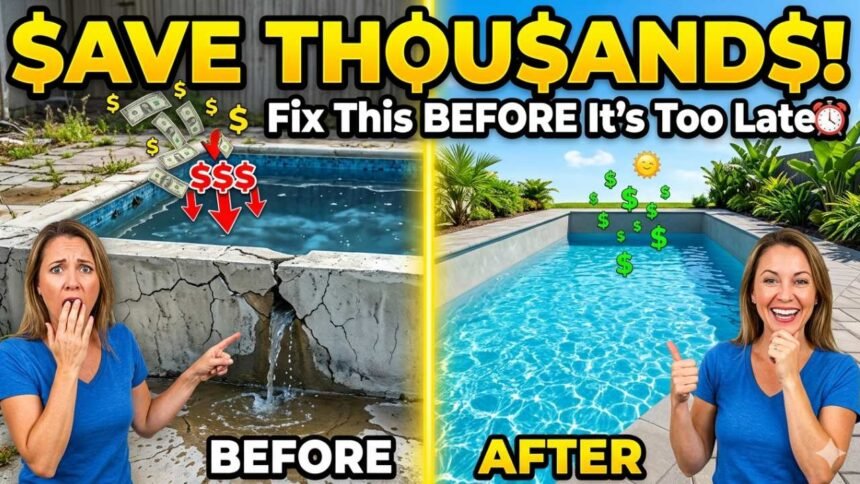
Pool repair is something most homeowners ignore until a small issue turns into an expensive disaster. I learned this the hard way one summer when a tiny crack near the edge of my pool went unnoticed for weeks.
At first, it looked harmless. Just a thin line that didn’t seem urgent. But over time, water started seeping through, and my water bill crept higher without explanation.
By the time I finally took action, the problem had already spread beneath the surface. That small issue quietly turned into structural damage.
Fixing it was no longer simple. It required deeper work, more materials, and significantly more money.
For reference, here’s a helpful resource on professional pool repair services that can guide you in the right direction.
Early Signs You Should Never Ignore
Small problems rarely stay small. A slight drop in water level might seem like evaporation.
But if it happens consistently, it usually points to a leak. Hairline cracks in plaster may appear cosmetic.
In reality, they can expose deeper layers to water damage. Discoloration is another warning sign.
It often signals a chemical imbalance or surface wear. Loose tiles or rough spots under your feet are also indicators.
Each of these issues hints at something bigger developing underneath. Ignoring them is where costs begin to spiral.
Why Minor Fixes Prevent Major Expenses
There’s a huge difference between a quick fix and a full restoration. A small crack repair might take just a few hours.
But if that crack spreads, you may need structural reinforcement. Water leaks don’t just waste water.
They slowly weaken the foundation. Over time, this can lead to shifting and instability. I once spoke to a neighbor who ignored a leak for months.
Eventually, the soil around their pool eroded so badly that part of the deck collapsed. What could have been a minor fix turned into a full rebuild. That’s the real cost of delay.
The Hidden Costs of Delayed Maintenance
Delaying repairs creates a chain reaction of expenses. Higher water bills are often the first sign.
Then comes increased chemical usage. Maintaining proper water balance becomes harder when damage is present.
Surface issues also make cleaning more difficult. That means more time, more effort, and sometimes new equipment.
Energy costs can increase too. Pumps and filters work harder when systems are compromised.
Over time, this strain shortens their lifespan. Replacing equipment is far more expensive than early maintenance.
Structural Damage Is the Real Threat
Surface damage is only part of the problem. The real danger lies beneath. Water intrusion can weaken concrete over time. It can also cause internal corrosion.
Once structural components are affected, repairs become complex. In severe cases, entire sections may need rebuilding.
That’s why early detection matters so much. Fixing a visible issue is one thing. Protecting what’s underneath is what truly saves money.
Real-Life Experience: A Costly Lesson
A friend of mine had a stunning backyard pool. Everything looked perfect at first glance.
But they noticed a slight drop in water level and ignored it. Months later, cracks began to form along the sides.
By then, the internal damage had already spread. They had to drain the entire pool.
Large sections of the structure needed replacement. The cost was several times higher than a simple fix would have been. That experience completely changed how I approach maintenance.
Now, I treat every small issue as urgent.
Smart Maintenance Habits That Pay Off
Regular inspections can save you a lot of trouble. Check for cracks, stains, and loose tiles frequently. Monitor your water level consistently. If something feels off, don’t ignore it.
Maintain proper chemical balance. Balanced water helps prevent surface damage. Clean filters and service equipment regularly.
A well-maintained system reduces stress on all components. These simple habits don’t take much time. But they can prevent major expenses down the line.
When to Call a Professional
Some problems need expert attention. Persistent leaks are one example. Structural cracks are another.
Equipment failure can also signal deeper issues. Professionals have the tools to detect hidden problems.
They can identify leaks and assess structural integrity accurately. Trying to fix complex issues on your own can make things worse. It’s better to get a proper diagnosis early. That way, you avoid bigger repairs later.
Long-Term Value of Staying Proactive
Being proactive protects your investment. A well-maintained pool adds value to your property.
It also ensures a safer environment for your family. Neglecting maintenance does the opposite. It shortens lifespan and increases long-term costs. Think of maintenance as a form of savings.
Every small fix today prevents a larger expense tomorrow. That mindset makes a huge difference over time.
Final Thoughts on Avoiding Costly Repairs
Owning a pool comes with responsibility. But it doesn’t have to be overwhelming. Pay attention to small details. Act quickly when something seems off.
Stay consistent with maintenance routines. These simple steps can save you thousands over time.
The key is not waiting until problems grow. Because once damage spreads, costs rise fast. Handle issues early, and your pool will stay in great shape for years.